

Installing a new septic system is a significant undertaking that requires meticulous planning and expert execution. A seamless installation ensures the long-term functionality and environmental safety of your property, providing peace of mind for years to come. At Apex Earthworks LLC, we understand the critical nature of these projects and are dedicated to providing superior solutions that stand the test of time. This guide will walk you through the essential components of a successful septic system installation.

The Critical First Step: Comprehensive Site Preparation
Before any digging begins, thorough site preparation is paramount for a successful septic system. This initial phase involves detailed assessments, including soil composition analysis and determining the ideal system type and location for your property. Proper land clearing is often necessary to remove obstacles, ensuring clear access for equipment and an optimal area for the system components. Without precise site preparation, even the best septic system design can fail, leading to costly complications down the line. Our commitment to precision in this foundational stage ensures your project starts on solid ground.
Mastering the Installation Process: Precision and Expertise
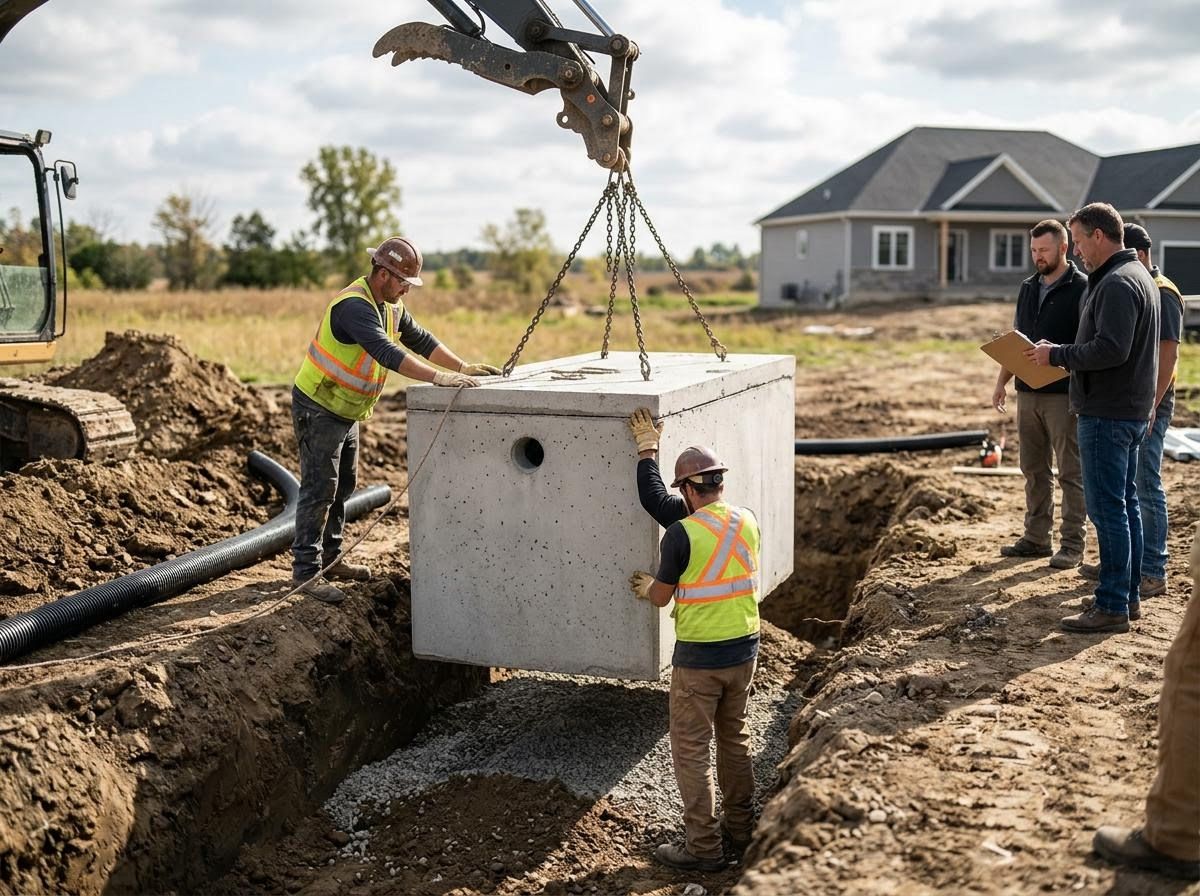
The actual septic system installation is a complex process that demands both specialized equipment and hands-on experience. This stage involves careful excavation for the septic tank and drain field, ensuring correct depths and slopes for gravity flow. Placement of the tank, distribution boxes, and the intricate network of pipes that form the drain field must be executed with absolute accuracy. Properly done septic installs prevent future issues like blockages or effluent surfacing, which can compromise both property value and environmental health. Adhering to local regulations and engineering specifications is non-negotiable for a system that functions reliably and efficiently.
Essential Components of a Modern Septic System
A modern septic system typically comprises several key components designed to treat wastewater effectively. The septic tank, usually a large, watertight container, holds wastewater, allowing solids to settle and scum to float to the top. From there, effluent flows into a drain field, also known as a leach field or absorption field. This area consists of a series of trenches or beds containing gravel and permeable piping, allowing treated wastewater to slowly filter into the soil. Other components might include distribution boxes, pumps for uneven terrain, or advanced treatment units for specific site conditions. Each part plays a crucial role in ensuring the system's overall performance and longevity.
Beyond Installation: Protecting Your Investment
While a seamless installation is key, understanding the long-term care for your septic system is equally important. Proper installation significantly reduces the likelihood of premature failures and the need for frequent septic repairs. However, regular maintenance, such as routine pumping and avoiding flushing non-biodegradable items, is essential for extending the life of your system. Knowing the signs of potential issues, like slow drains or foul odors, can also help you address problems proactively. An expertly installed system, coupled with mindful usage and maintenance, is an investment that continues to pay dividends in functionality and peace of mind.
Achieving a truly seamless septic system relies on expert planning, precise execution, and a commitment to quality from start to finish. Entrusting your project to experienced professionals, like those at Apex Earthworks LLC, ensures your system operates efficiently for decades, safeguarding your property and the environment. To learn more about how to secure a reliable and long-lasting wastewater solution, we invite you to explore our detailed service offerings and project capabilities.