
Embarking on a new construction or property development project often involves critical infrastructure decisions, and among the most vital is planning for a septic system. A successful septic install requires careful consideration, from initial design to final implementation, ensuring long-term functionality and environmental compliance. At Apex Earthworks LLC, we understand the complexities involved in these essential undertakings. This guide will walk you through the key aspects you need to understand before starting your septic system project.
Understanding Regulations and Site Suitability
Before any ground is broken, it's paramount to understand the local regulations governing septic systems. Each municipality and county has specific health department codes, permit requirements, and inspection protocols that must be strictly followed. This initial phase often includes conducting a soil percolation test (perc test) to determine the soil's absorption rate and evaluating the property's topography. These factors are critical in determining the feasibility of a septic install and the type of system that will be most effective and compliant. Skipping this step can lead to costly delays or system failures down the line.
Crucial Site Preparation and System Design
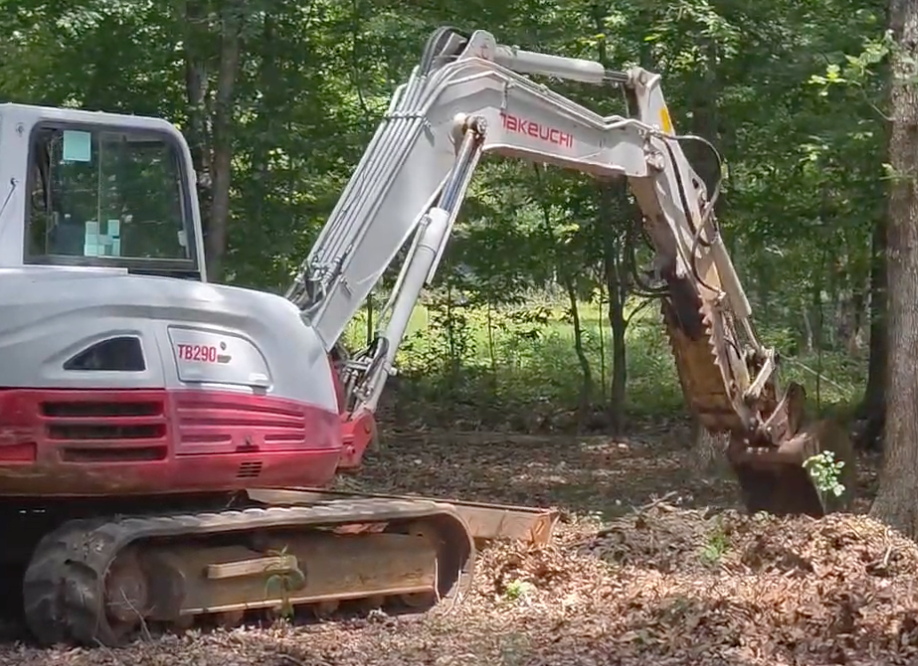
Once the regulatory framework is understood and initial tests are complete, the focus shifts to comprehensive site preparation. This often begins with land clearing to remove trees, brush, and other obstructions from the designated area. Proper site preparation ensures a stable and accessible environment for the subsequent excavation and installation work. Following this, a detailed system design is drafted by a qualified professional, taking into account the property's specific needs, soil conditions, and the number of bedrooms or expected water usage. The design will specify the tank size, drain field configuration, and any additional components required for a robust septic install.
The Septic Installation Process
The actual septic install is a multi-step process that demands precision and expertise. It typically involves careful excavation for the septic tank and the drain field (also known as the leach field). The septic tank is then strategically placed and connected to the home's plumbing system, followed by the meticulous laying of the drain field lines. Proper grading around the entire system is essential to ensure adequate drainage and prevent water accumulation. Throughout this phase, adherence to the approved design and established industry best practices is non-negotiable to guarantee the system's efficiency and longevity.
Navigating a septic system installation requires meticulous planning and execution to ensure a functional and compliant solution. By understanding the regulatory landscape, ensuring thorough site preparation, and working with experienced professionals, you can lay the groundwork for a reliable and efficient system. Apex Earthworks is committed to providing precise earthwork and septic solutions built to last. To learn more about how we can support your upcoming septic installs or address any needs for septic repairs, we invite you to explore our services and expertise.