

Navigating the complexities of septic system installations can be daunting for homeowners and businesses alike. A properly installed septic system is crucial for environmental health and property value, serving as a vital component of wastewater management in areas without municipal sewer access. This comprehensive guide will walk you through the essential stages of a successful installation, from initial planning to long-term maintenance. At Apex Earthworks LLC, we understand the importance of getting it right the first time, ensuring your system operates efficiently for years to come.
The Foundation: Planning and Site Assessment
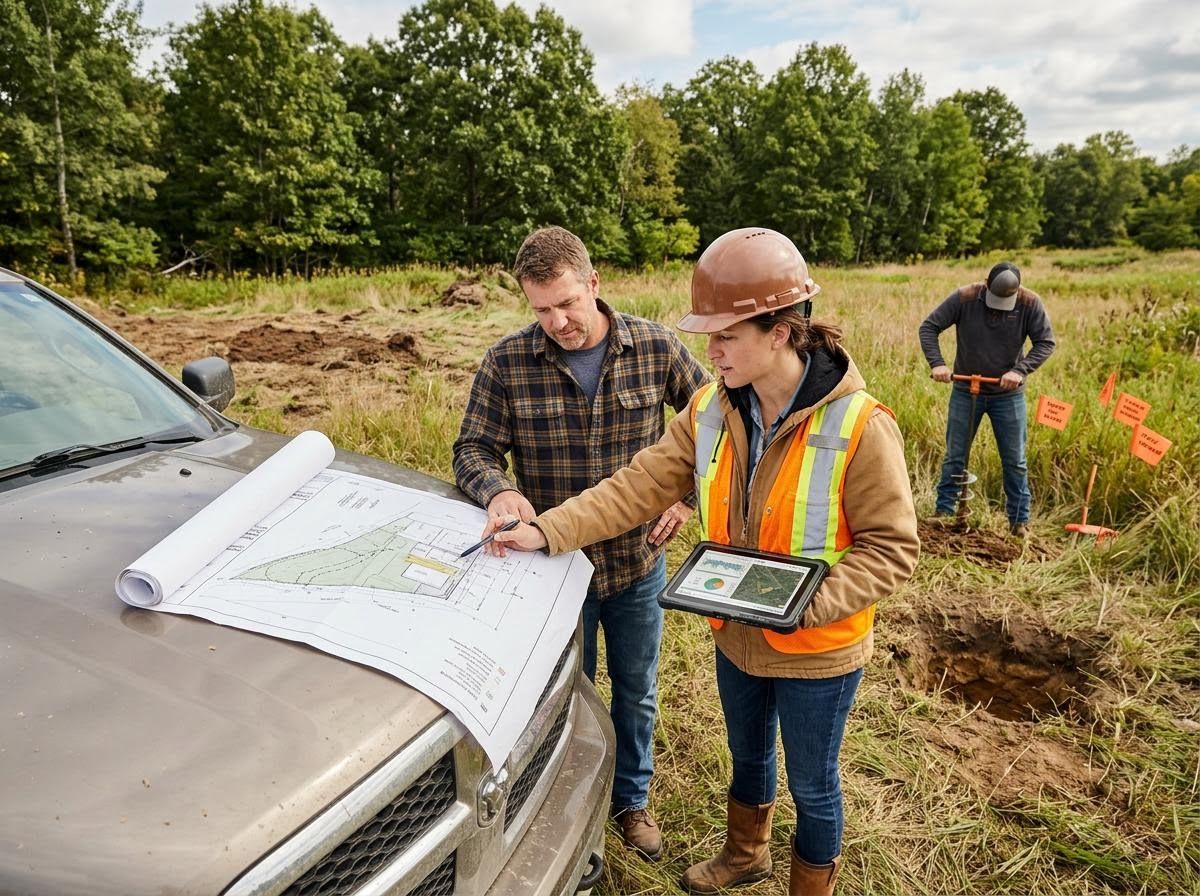
Before any ground is broken, meticulous planning and site assessment are paramount for a successful septic system. This phase involves obtaining necessary permits from local authorities, which often require detailed plans and inspections. Thorough soil evaluations are conducted to determine soil composition, percolation rates, and water table levels, all of which are critical for designing an effective drain field. Proper site preparation is also a key component, often requiring preliminary land clearing to ensure adequate space, accessibility, and proper grading for the system components. An accurate design, tailored to your property’s unique conditions and projected wastewater volume, forms the bedrock of a reliable and compliant septic system.
The Installation Process: From Start to Finish
Once the design is finalized and all necessary approvals are in place, the physical process of septic installs begins. This stage involves precision excavation to create the trenches and beds for the septic tank and drain field. The septic tank, which collects and processes household wastewater, is carefully placed and leveled, followed by the distribution box and the various components of the drain field. Each step requires experienced operators and top-tier equipment to ensure accurate grading, proper connection of all pipes, and adherence to engineering specifications. Meticulous attention to detail during this phase is crucial for ensuring the system functions optimally and efficiently for its entire lifespan.
Beyond Installation: Maintenance and Longevity
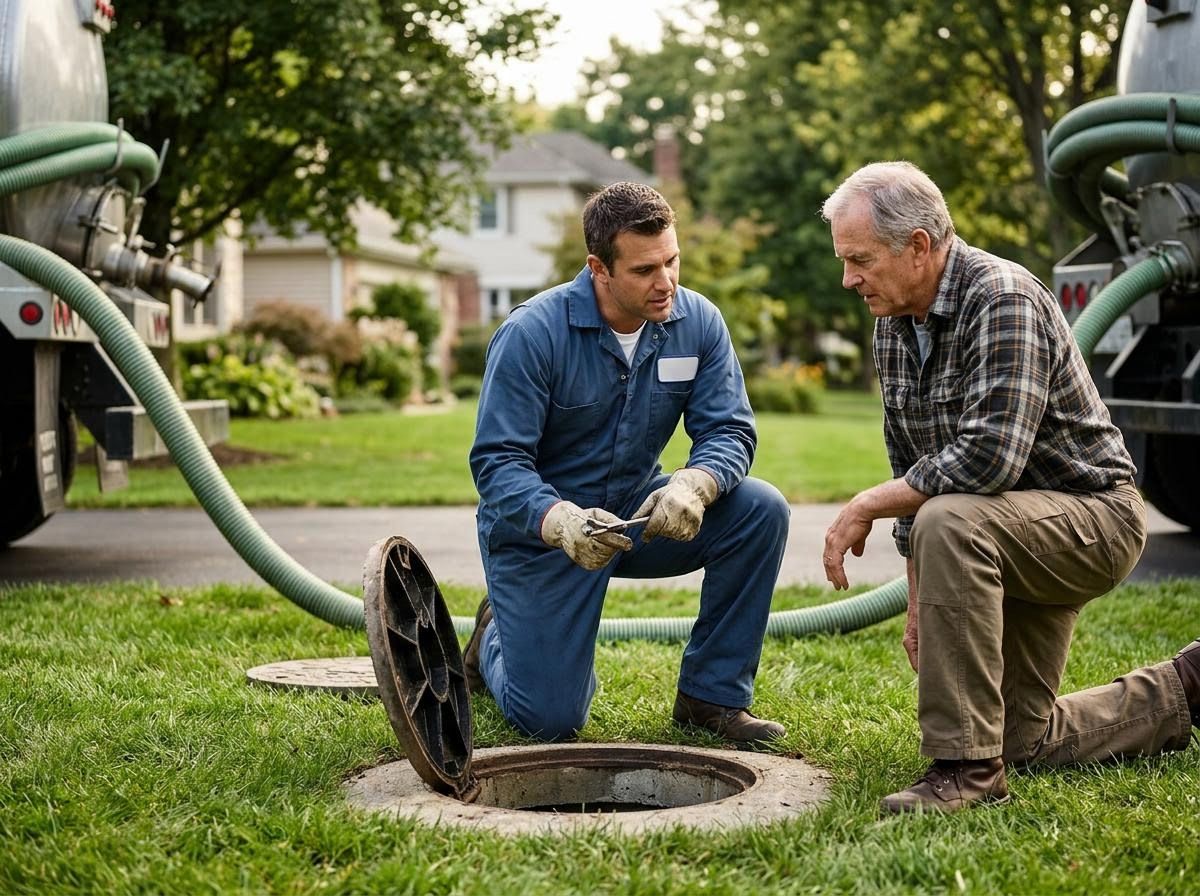
Installing a septic system is just the beginning of its lifecycle; ongoing maintenance is essential for its continued efficiency and to prevent costly issues down the line. Regular inspections and pumping, typically every 3-5 years depending on usage and tank size, are crucial for removing solids and preventing blockages that can lead to system failure. Understanding the signs of potential problems, such as slow drains, foul odors, or lush patches of grass over the drain field, can signal the need for timely septic repairs. Proactive care extends the life of your system, safeguarding your investment, protecting public health, and preserving the environment.
Built To Last: Ensuring Your System's Success
Successfully understanding and implementing a septic system installation requires a blend of expertise, precision, and a commitment to quality. From the initial land clearing and site preparation to the careful execution of septic installs and the provision for future septic repairs, every detail contributes to a solid, long-lasting foundation for your property. For a partner dedicated to delivering superior earthwork and septic solutions with unwavering precision and integrity, we invite you to explore our comprehensive services and discover how Apex Earthworks can ensure your project is built to last.