
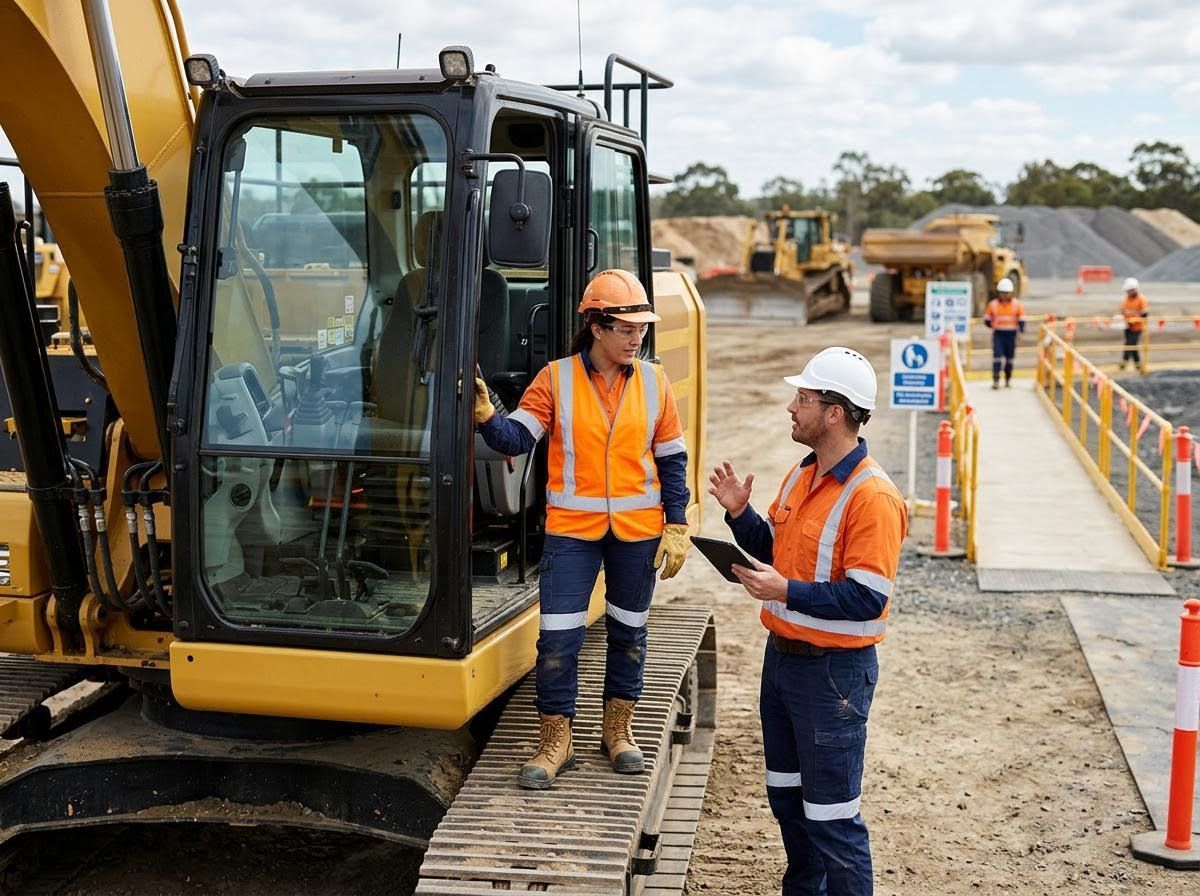
Operating heavy equipment is integral to many construction and earthwork projects, but it inherently carries significant risks if not managed with the utmost care. Ensuring the safety of personnel, property, and the public is paramount on any job site where powerful machinery is in operation. At Apex Earthworks LLC, we understand that precision and reliability are not just about the quality of work, but also about adhering to the highest safety standards to protect everyone involved. This blog post will delve into essential heavy equipment safety tips crucial for maintaining a secure and efficient project environment.
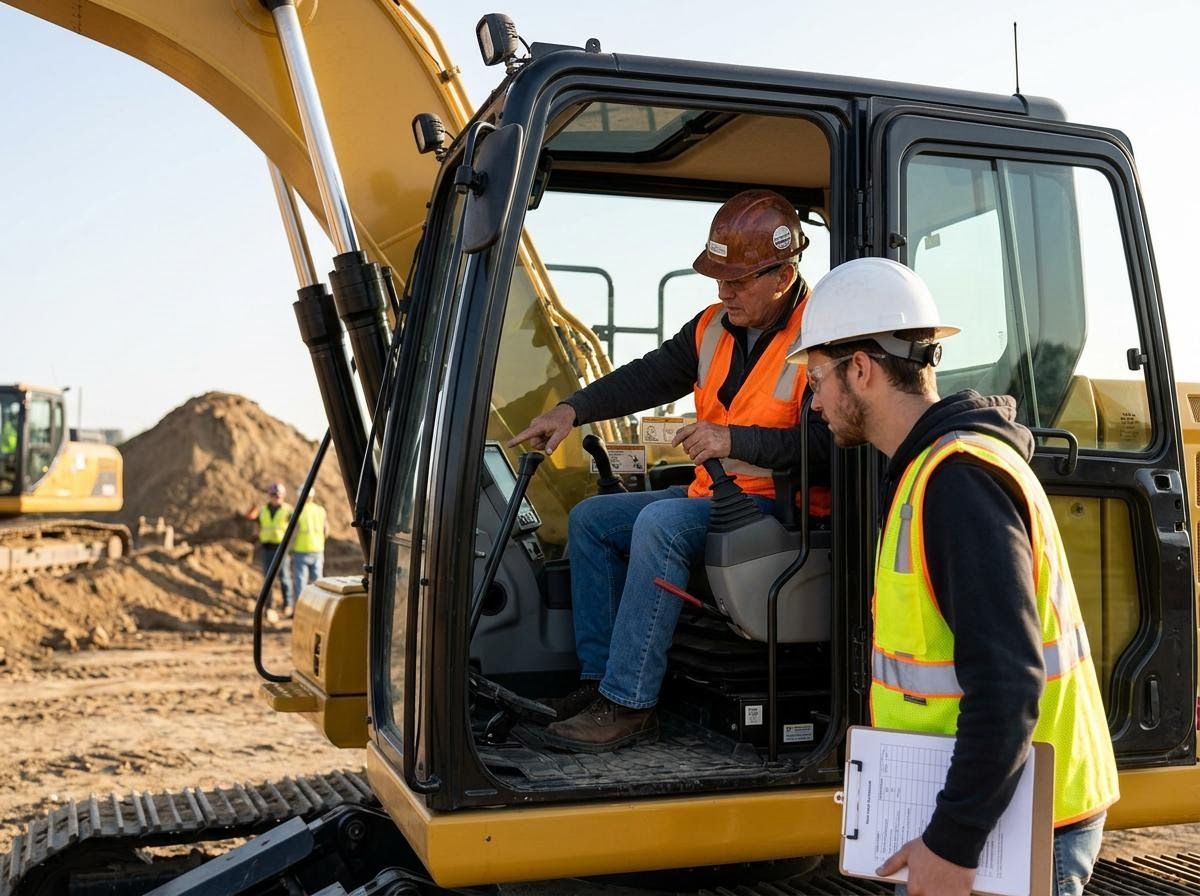
Comprehensive Operator Training and Certification
The cornerstone of heavy equipment safety lies with the operators themselves. It is imperative that all personnel operating heavy machinery are not only fully trained and certified for the specific equipment they are using but also regularly updated on best practices and new safety protocols. This includes understanding the machine's capabilities and limitations, proper loading and unloading techniques, and emergency procedures. Pre-operation checks are critical; operators must inspect equipment for any damage, leaks, or malfunctions before starting work each day, ensuring everything from brakes to hydraulic systems is in optimal condition.
Strategic Site Planning and Communication Protocols
A well-planned site is a safe site. Before any heavy equipment begins work, a thorough site assessment and planning phase are essential. This involves identifying potential hazards such as overhead power lines, underground utilities, uneven terrain, and high-traffic areas. Establishing clear zones for equipment operation, material storage, and pedestrian pathways is crucial. Effective communication protocols, utilizing two-way radios or hand signals, must be in place and understood by all crew members to prevent accidents, especially during complex tasks like Excavation Services or initial Site Prep. Ensuring everyone knows their role and the planned sequence of operations contributes significantly to overall safety.
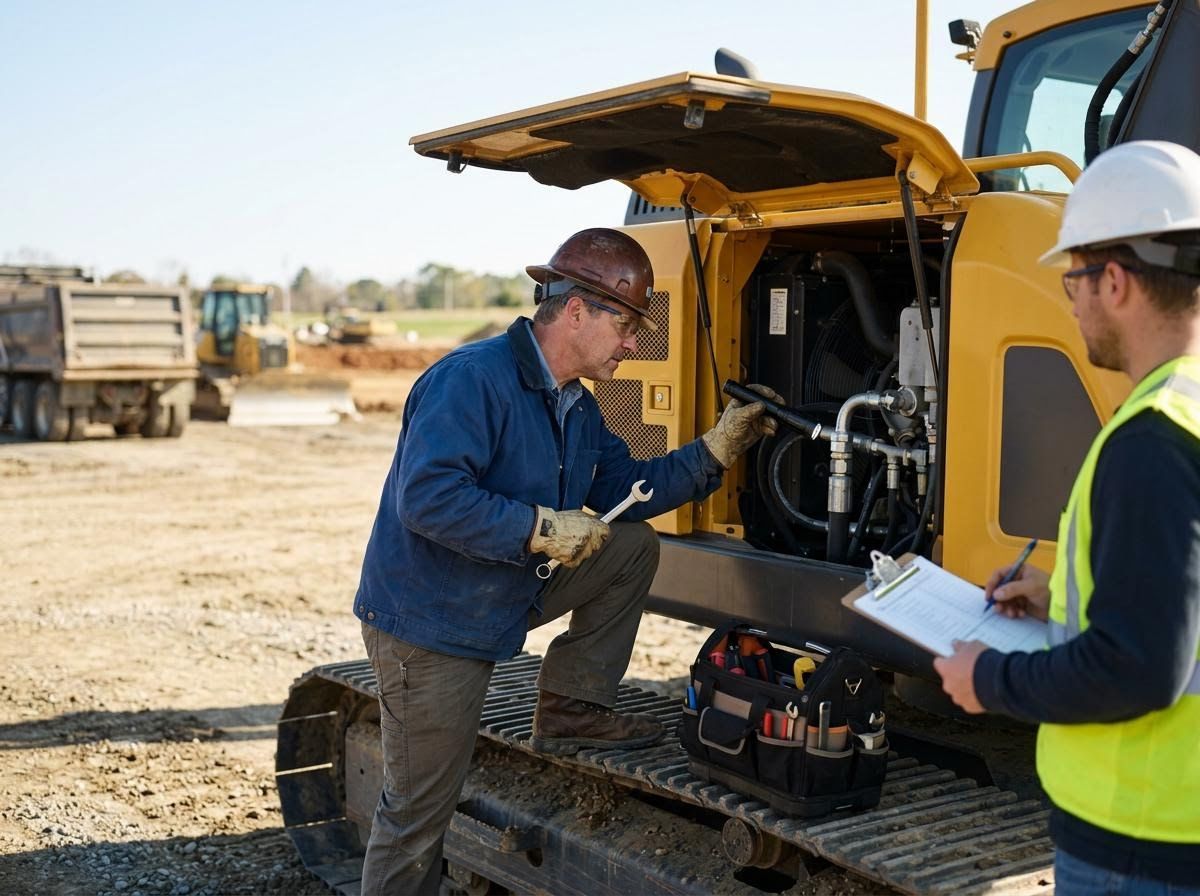
Diligent Equipment Maintenance and Inspections
Regular and proactive maintenance of heavy equipment is non-negotiable for safety. Worn-out parts, neglected fluid levels, or malfunctioning safety features can lead to catastrophic failures and severe accidents. Implementing a strict schedule for preventative maintenance, coupled with daily pre-shift inspections, helps identify and address potential issues before they escalate. Any detected defects must be reported and rectified immediately by qualified technicians. Investing in the longevity and reliability of machinery through consistent maintenance not only enhances safety but also improves operational efficiency for tasks ranging from Land Clearing to detailed grading.
Prioritizing Personal Protective Equipment and Situational Awareness
While machine safety and operational planning are vital, individual safety measures for all personnel on a project site cannot be overlooked. Everyone, whether operating equipment or working nearby, must wear appropriate Personal Protective Equipment (PPE), including hard hats, safety glasses, high-visibility clothing, steel-toed boots, and hearing protection. Beyond PPE, fostering a culture of situational awareness is paramount. All workers should be continuously aware of their surroundings, the movement of heavy equipment, and potential pinch points or blind spots. Encouraging open reporting of near misses and hazards helps everyone learn and reinforces a proactive safety mindset.
Adhering to stringent safety protocols is not merely a regulatory requirement; it's a fundamental commitment to the well-being of every individual on a job site and the successful completion of a project. By prioritizing comprehensive training, meticulous site planning, diligent equipment maintenance, and robust personal safety measures, the risks associated with heavy machinery can be significantly mitigated. To ensure your next project benefits from the highest standards of safety and operational excellence, learn more about best practices in earthwork and site development.